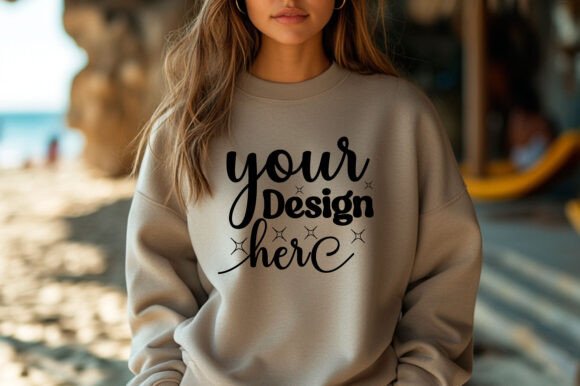
Summer Sweatshirt Mockup 10: A Designer’s Review
As an embroidery designer who has spent years staring at screens and stitching machines, I have learned that the gap between a digital file and a finished product is where most projects succeed or fail. We often obsess over stitch density and thread tension, but we sometimes overlook how our designs are presented to the world before they are even purchased. This is where Summer Sweatshirt Mockup 10 enters the conversation. While the title suggests a seasonal contradiction, this asset from the realm of Product Mockups and Graphics offers a surprisingly versatile canvas for evaluating how our embroidery work translates to real-world apparel.
First Impressions and Visual Personality
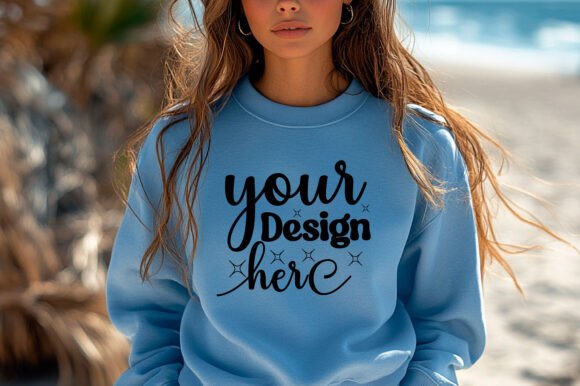
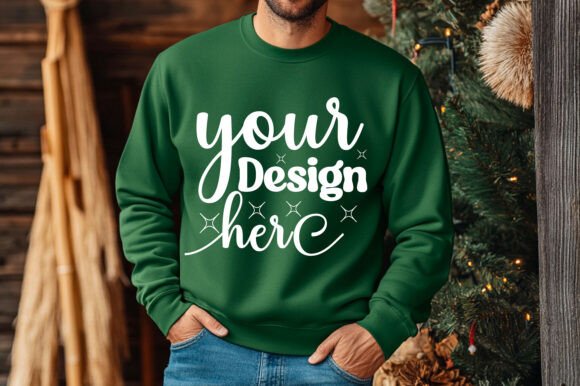
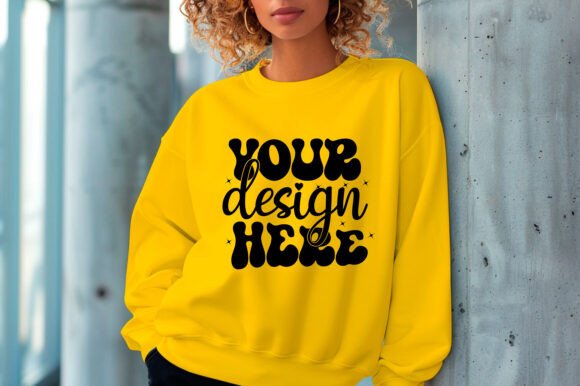
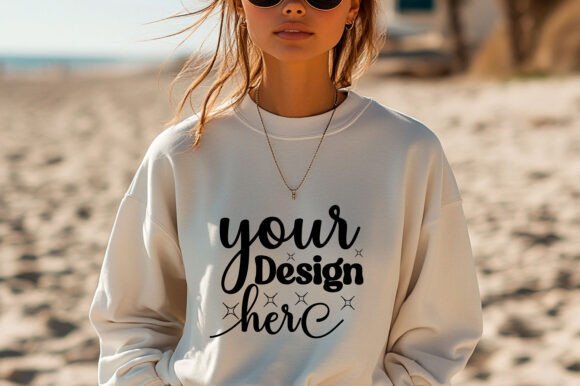
When I first loaded Summer Sweatshirt Mockup 10, my immediate reaction was one of curiosity regarding its texture and lighting. In the world of digital presentation, flat images rarely do justice to the tactile nature of embroidery. This mockup, however, captures the subtle drape of fabric and the way light interacts with the garment’s surface. For a designer, this is critical. It allows us to visualize how a satin stitch might catch the light differently than a fill stitch, providing a more accurate preview for clients.
The mood it creates is relaxed yet professional. It does not scream for attention with aggressive branding; instead, it offers a clean, neutral stage. This makes it ideal for showcasing intricate machine embroidery design work without visual clutter. Whether you are designing a delicate floral motif for a boutique or a bold logo for a corporate client, the layout of this mockup respects the integrity of your artwork.
Real-World Application and Use Cases
To truly understand the value of any design asset, we must place it in a practical scenario. Imagine I am preparing a custom order for a local boutique owner who wants to launch a line of personalized gifts. She has chosen a high-quality cotton blend sweatshirt as her base. Using Summer Sweatshirt Mockup 10, I can overlay my proposed embroidery file to see how the colors pop against the fabric.
This tool is not limited to just sweatshirts. Its utility extends to various custom apparel projects. If I were designing a tote bag design or a sturdy embroidered patch, the principles of placement and scale remain the same. The mockup helps me judge whether my running stitch outlines are too thin to be seen from a distance or if my stitch density is too high, which could cause puckering on lighter fabrics.
For Etsy sellers and small shop product creators, visual consistency is key to building brand trust. By using high-quality design assets like this, you ensure that your online listings reflect the quality of your handmade product. It bridges the gap between the digital digital embroidery file and the physical finished product, giving buyers confidence in what they are purchasing.
Navigating Fabric and Stitch Challenges
While Summer Sweatshirt Mockup 10 is a powerful visualization tool, it also highlights areas where caution is needed in actual production. Embroidery on textured or stretchy fabrics requires careful planning. If you are working on a Christmas Sweatshirt or a heavy Gildan Christmas style garment, the weight of the thread can distort the fabric if not properly stabilized.
When using this mockup to plan your embroidery project, pay close attention to the curvature of the garment. Designs placed on curved surfaces, such as the chest area of a sweatshirt or a cap, need to be adjusted for distortion. Tiny lettering or detailed corners in an applique design may lose clarity if the hoop size is not appropriate or if the stabilizer is insufficient. This mockup allows you to spot these potential issues before you waste thread and fabric.
Furthermore, consider the contrast of your thread colors. A design that looks vibrant on a light background in the mockup might disappear on a dark fabric. Always test your design in both light and dark scenarios. If you are creating holiday embroidery or baby embroidery, soft pastels might look beautiful digitally but require higher stitch counts to stand out physically.
Enhancing Brand Value and Customer Trust
In the competitive market of commercial embroidery and craft business ventures, presentation is everything. A well-rendered mockup does more than just show a design; it sells a lifestyle. When a customer sees your sweatshirt embroidery presented in a realistic, high-quality context, they perceive higher value. This perception translates directly into buyer engagement and sales.
Using Summer Sweatshirt Mockup 10 helps maintain brand consistency across your printable mockup galleries and social media posts. It signals professionalism and attention to detail. For creative entrepreneurs who sell personalized gift items, this level of polish can be the deciding factor for a customer choosing between two similar shops.
Practical Notes for the Embroidery Designer
Before you finalize your embroidery file based on this mockup, take a few practical steps. First, always test the design on scrap fabric that matches the weight and texture of your final material. Check the stitch density to ensure it does not overwhelm the fabric. Confirm that your hoop size accommodates the design with enough margin for secure hooping.
Inspect small details closely. If your design includes fine lines or small text, ensure they are within the capabilities of your machine and needle size. Compare your design on both light and dark backgrounds to verify visibility. Use the appropriate stabilizer for the fabric type—cut-away for stretchy knits and tear-away for stable wovens.
Finally, always verify the licensing terms for any digital embroidery file or graphic asset you use. Ensure that you have the right to use the mockup for commercial purposes if you are selling finished product images or using them in marketing materials for your small business merchandise. Clarity on these legal aspects protects your craft business and ensures long-term sustainability.
In conclusion, Summer Sweatshirt Mockup 10 is more than just a pretty picture. It is a strategic tool for any serious embroidery designer or Etsy seller. By integrating it into your workflow, you can enhance the visual appeal of your custom apparel, improve customer trust, and streamline your design process. It reminds us that in the world of handmade goods, how we present our work is just as important as the work itself.